
Quick Answer: A washing machine vibrate excessively when the load is unbalanced, the machine isn’t level, the shock absorbers or springs are worn, or the drum bearings have failed. Commercial machines running 8-12 loads a day put 3-4x more stress on suspension parts than home units. Left unchecked, vibration accelerates bearing wear and can crack the outer drum within 12-18 months.
Excessive vibration is rarely random. It almost always points to one of four things: an unbalanced load, an unlevel machine, worn suspension components, or bearing failure. For a laundromat, catching this early is the difference between a RM150 part swap and a RM3,000+ machine replacement.
This guide breaks down why a washing machine vibrate in the first place, how to tell the difference between a quick fix and a real repair job, and why a maintenance schedule matters more for commercial machines than home ones.
Why Does a Washing Machine Vibrate So Much? (The Short Answer)
A washing machine vibrate when weight isn’t distributed evenly inside the drum, when the unit isn’t sitting level on the floor, or when internal parts that absorb vibration have worn out. In commercial settings, the leading cause of a washing machine vibrating is worn suspension springs or shock absorbers from constant heavy-load cycling.
Home machines might see 5-6 loads a week. A single laundromat machine can run 10-15 loads a day, seven days a week. That’s roughly 15-20x the mechanical cycles in the same calendar time, which is why commercial units need suspension and bearing checks far more often than the manuals (written for home use) suggest.
What Causes a Washing Machine to Vibrate?
A washing machine vibrate for a short list of mechanical reasons, and most cases fall into one of six categories. Here’s how they compare:
| Cause | How It Feels | Typical Fix | Urgency |
|---|---|---|---|
| Unbalanced load | Washing machine vibrate only during spin, stops when redistributed | Rebalance load, reduce max load size | Low |
| Unlevel machine | Constant rocking, worse on one side | Adjust leveling feet | Low |
| Worn shock absorbers/springs | Loud banging as the washing machine vibrate, gets worse over weeks | Replace suspension kit | Medium |
| Worn/failed drum bearings | Grinding noise, heavy vibration, water leakage | Replace bearing assembly | High |
| Loose drum or motor mount | Sudden violent shaking, machine “walks” | Tighten or replace mounts | High |
| Overloaded machine | Washing machine vibrate heavily under max capacity | Reduce load size, retrain staff | Low |
Is It an Unbalanced Load or a Machine Fault?
If a washing machine vibrate only during the spin cycle and runs quietly otherwise, it’s usually a load balance issue, not a mechanical fault. This is the most common and cheapest cause to fix.
Uneven loads shift weight to one side of the drum as it spins, and centrifugal force amplifies that imbalance. For laundromats, this is often a training issue: customers overloading machines with bulky items like comforters or overstuffed duvets. Posting clear max-load signage and load-size guides near each machine reduces this significantly.
Could My Machine Not Be Level?
A machine that isn’t level will rock or “walk” across the floor, and the vibration is present even outside the spin cycle. This is a quick fix: adjust the leveling feet until the unit sits flat, using a spirit level to confirm all four corners are even.
Commercial laundry floors also shift over time from moisture, weight load, and building settling — so a machine that was level a year ago may not be level today. This is worth checking during every routine maintenance visit, not just when a customer complains.
What Does It Mean If the Machine Bangs or Grinds While Vibrating?
When a washing machine vibrate with loud banging, it usually points to worn shock absorbers or suspension springs, while a grinding sound signals bearing failure. Both require a parts replacement rather than a simple adjustment.
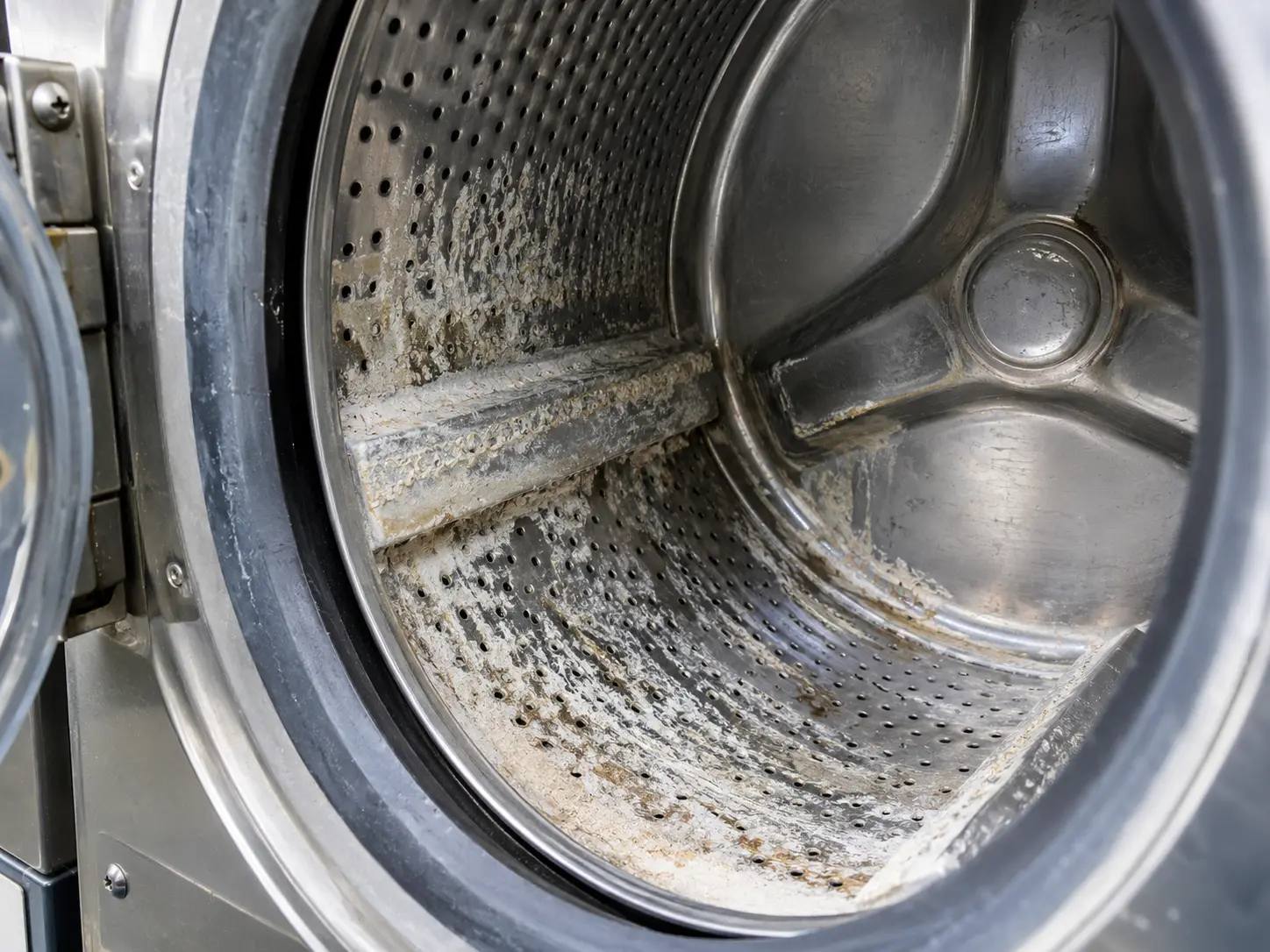
According to the Coin Laundry Association, suspension and bearing-related repairs are among the top mechanical failure categories reported by commercial laundromat operators, largely because these parts absorb the repeated mechanical stress of high-frequency spin cycles. Ignoring early-stage banging typically leads to full bearing failure, which is a far more expensive repair and can also damage the outer drum.
How Much Is Normal When a Washing Machine Vibrate?
Some vibration during the final high-speed spin cycle is normal, even in a well-maintained machine. It’s not normal when a washing machine vibrate strongly enough to move across the floor, vibrates during the wash cycle (not just spin), or vibrates noticeably worse than it did a few weeks ago.
A useful rule of thumb for laundromat owners: if you can hear a machine shaking from across the room, or if it’s shifted position on the floor since your last check, it needs attention now, not at the next scheduled service.
Why Does This Matter More for Laundromat Owners Than Home Users?
For a laundromat, an unaddressed washing machine vibrate issue doesn’t just risk one machine, it risks revenue, customer trust, and safety. A machine that vibrates is often the first visible sign that internal components are already under stress.
With 10 years of servicing and maintaining laundromat equipment, the pattern is consistent: machines that get quarterly suspension and bearing checks rarely fail unexpectedly. Machines that only get attention when something breaks tend to fail in clusters, usually right after a busy season, because the wear has been accumulating quietly for months.
A washing machine vibrate problem also creates real business risk beyond the repair cost:
- Downtime — a machine pulled out of service mid-shift means lost coin/card revenue for every hour it’s down.
- Customer complaints — loud, shaking machines look unsafe and drive customers to competitors.
- Compounding damage — a worn shock absorber left in place accelerates bearing wear, turning a small fix into a full assembly replacement.
- Floor and utility damage — a “walking” machine can damage water lines, drain connections, and flooring over time.
How Often Should Commercial Washing Machines Be Inspected for This?
Commercial washing machines should have suspension components, leveling, and drum bearings checked at least quarterly, and ideally monthly for high-volume machines running more than 10 loads a day. Home-use manuals aren’t built for this duty cycle, so following them for a commercial machine under-services the equipment.
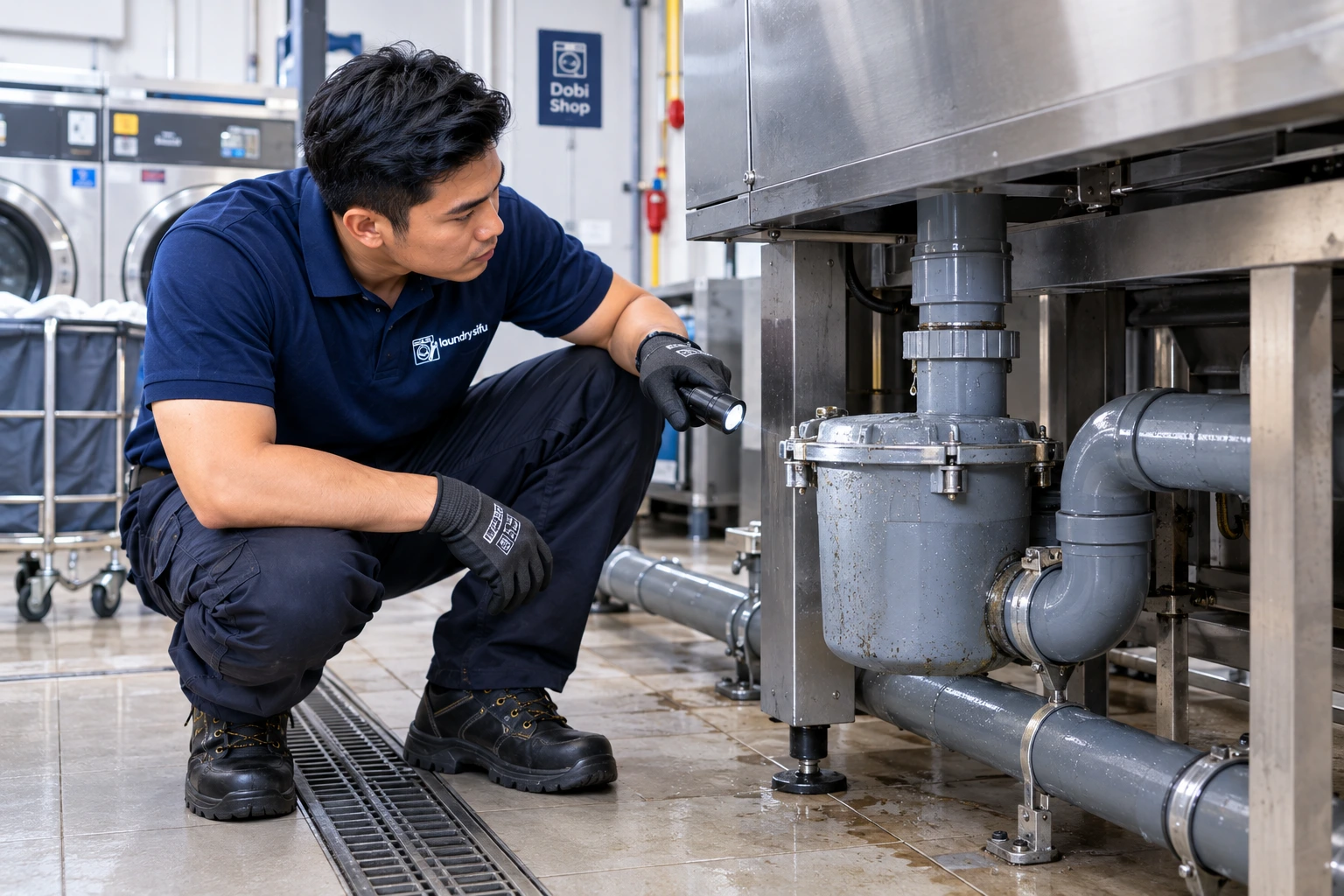
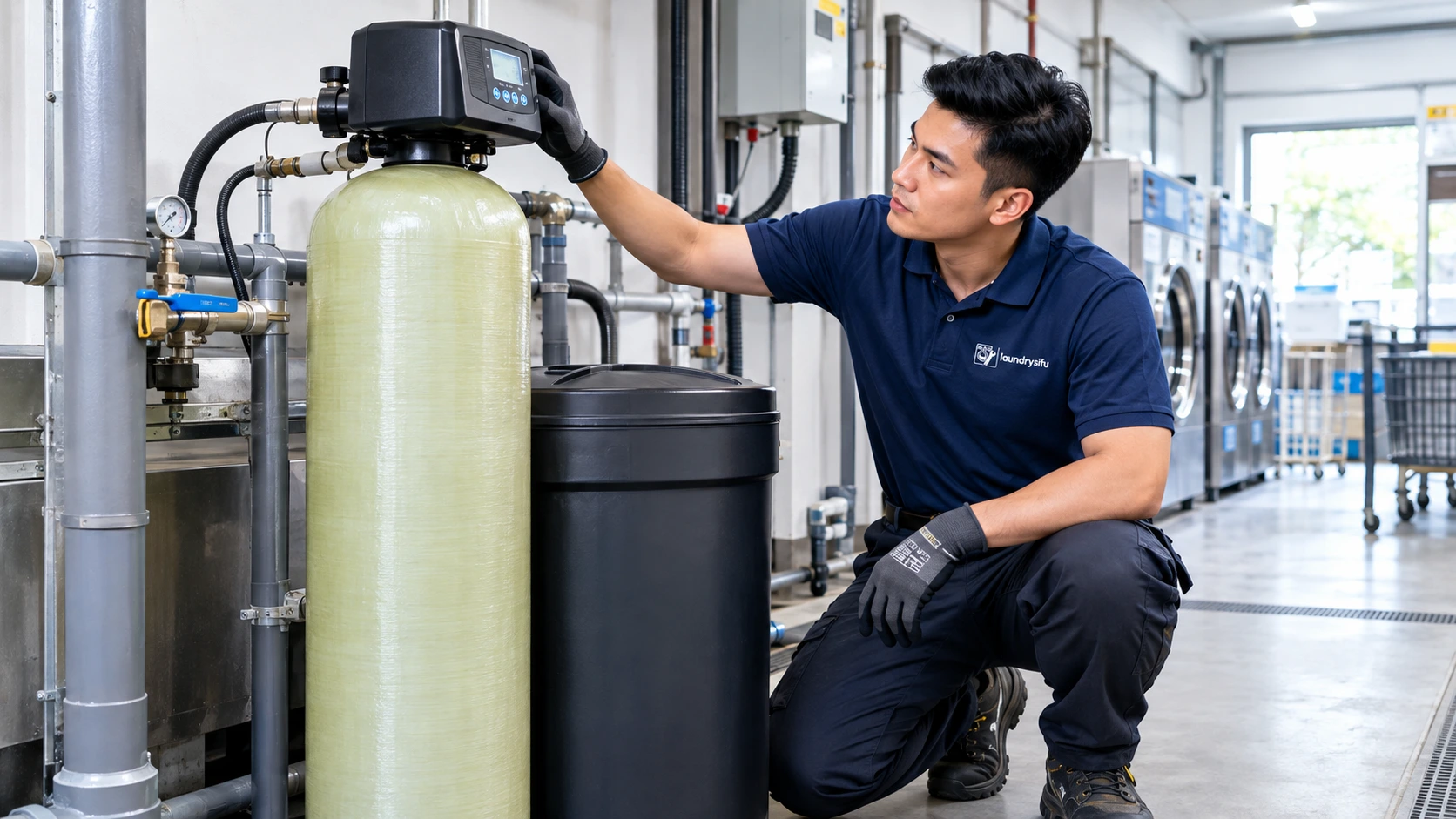
A structured maintenance routine catches worn suspension parts and early bearing wear before they cause a shutdown. This is the core reason a scheduled maintenance plan pays for itself in a laundromat: it converts unpredictable, high-cost emergency repairs into predictable, low-cost preventive ones. If you’re running machines without a regular inspection schedule, Laundry Sifu’s maintenance and repair services are built specifically around this kind of high-frequency commercial duty cycle.
Frequently Asked Questions
Why does my washing machine vibrate only during the spin cycle? A washing machine vibrate mainly during spin almost always means the load is unbalanced. The drum spins fastest during this cycle, so any uneven weight distribution gets amplified. Try redistributing the load or running a smaller load.
Can a vibrating washing machine damage the floor? Yes. A machine that shakes enough to move or “walk” can loosen water and drain connections, crack tile flooring, and in serious cases cause water damage. Leveling issues should be fixed as soon as they’re noticed.
Is it safe to keep running a machine that vibrates a lot? Short-term, usually yes, but it’s a warning sign, not something to ignore. Continued operation with worn suspension parts or bearings accelerates damage and increases the risk of a sudden breakdown mid-cycle.
How much does it cost to fix a vibrating washing machine? It depends on the cause. Leveling adjustments and load rebalancing cost nothing. Suspension kits are a moderate parts-and-labor cost. Bearing replacement is the most expensive because it usually requires opening the drum assembly.
Do all washing machine brands vibrate the same amount? No. Front-load commercial machines typically vibrate more than top-load models during spin because of higher spin speeds, but build quality and suspension design vary significantly by brand and model.
Should I replace or repair a machine that vibrates constantly? If the machine is under 5-7 years old and the vibration is isolated to suspension or bearings, repair is usually more cost-effective. Older machines with recurring vibration issues across multiple components may be cheaper to replace than to keep repairing.
The Bottom Line
Occasional vibration during spin is normal. When a washing machine vibrate constantly, worsens over time, or gets loud, that’s a mechanical warning sign that gets more expensive the longer it’s ignored. For laundromat owners, the fix isn’t reacting to each noisy machine, it’s putting every machine on a quarterly inspection schedule so suspension wear and bearing issues get caught before they cause downtime. Talk to Laundry Sifu about setting up a maintenance schedule for your machines before the next busy season hits.
Written by the Laundry Sifu maintenance team, drawing on 10 years of hands-on experience servicing and repairing commercial laundromat equipment across Malaysia.