
Quick Answer: A washing machine door not closing usually means the door interlock switch, sensor, or latch mechanism can’t confirm the door is sealed, so the control board blocks the cycle as a safety measure. This is the same protection system used across brands like Simple, Clean, Electrolux, Huebsch, and Fugo to prevent water leaks and injury from a spinning drum. In most cases, the fix is clearing debris from the latch, realigning the door, or replacing a worn interlock switch.
If your washing machine won’t start and the display or a blinking light keeps pointing to the door, you’re dealing with one of the most common laundry appliance faults there is. It’s frustrating, especially mid-load, but it’s also one of the more diagnosable problems — you don’t need to guess.
This guide walks through why it happens, how to check it yourself in under 10 minutes, and when the smarter move is to stop troubleshooting and call in a professional.
Why Does My Washing Machine Say the Door Isn’t Closed When It Is?
Your washing machine isn’t actually checking if the door looks closed — it’s checking if a specific switch or sensor has been physically triggered. If that component is dirty, misaligned, or faulty, the machine will refuse to start even when the door is visibly shut.
Front-load and top-load machines use slightly different mechanisms, but the logic is the same: no confirmed signal, no cycle.
The Door Interlock Switch Isn’t Engaging
Most front-load washers use a door interlock switch (sometimes bundled with the door lock assembly). When you close the door, a strike plate or pin should press into this switch and complete an electrical circuit. If the switch is worn out, bent, or coated in detergent residue, it can’t complete that circuit — so the machine reads the door as “open” no matter how firmly it’s shut.
Debris Is Blocking the Latch
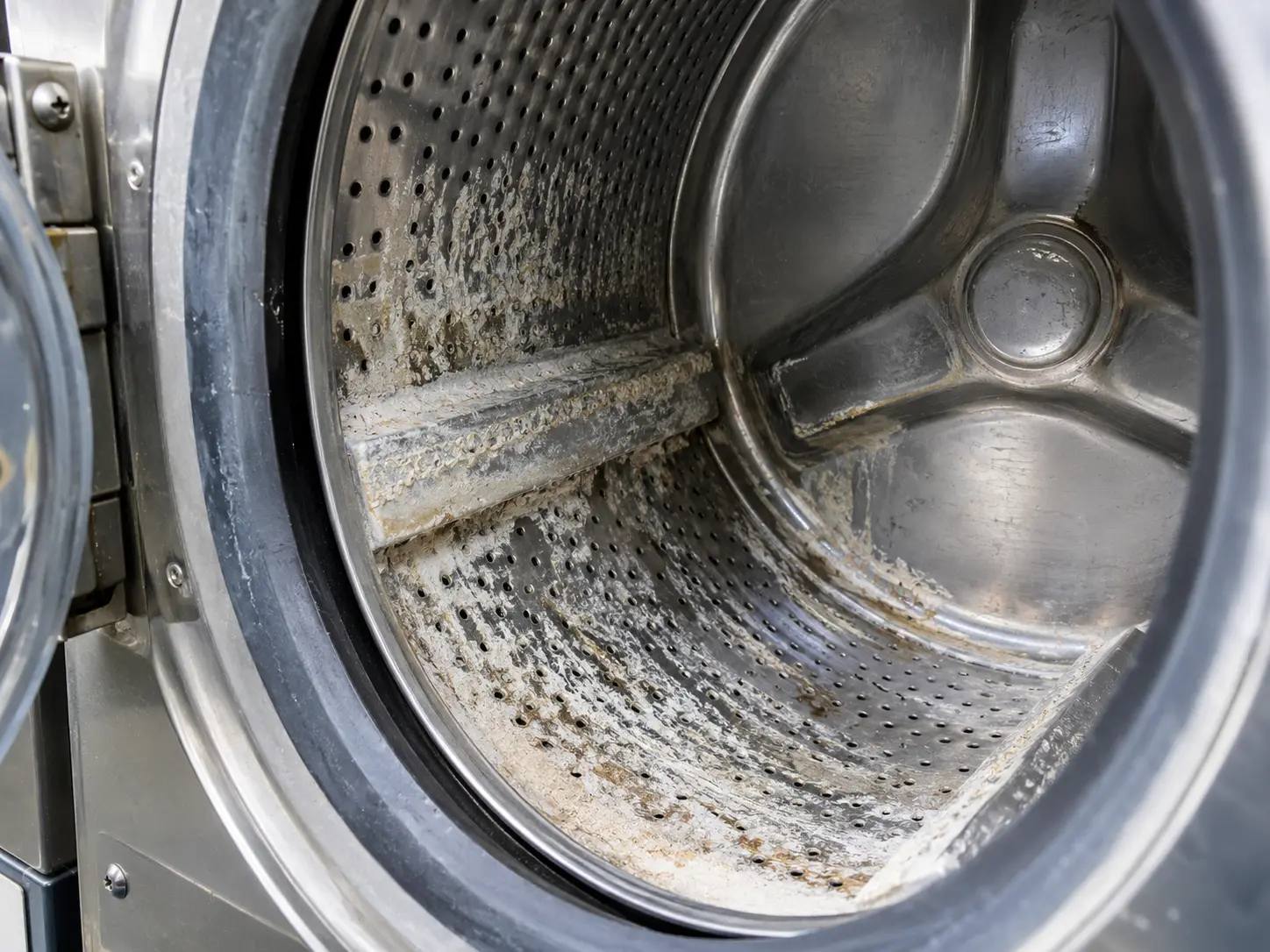
Lint, coins, buttons, or hardened detergent buildup around the door seal or latch housing is one of the most common — and easiest to fix — causes. Even a few millimeters of obstruction can stop the latch from seating fully.
The Door or Hinge Has Shifted Out of Alignment
Over time, especially on machines that get moved, overloaded, or installed on an uneven floor, the door can sag slightly on its hinges. This throws off the alignment between the latch and the strike plate, so the door looks closed but doesn’t trigger the sensor correctly.
The Door Seal (Gasket) Is Trapping Fabric
On front-loaders, a stray piece of clothing, a sock, or a bra strap caught in the rubber door gasket can prevent a full seal — which some models also read as a door-not-closed fault, since the gasket and latch work together to confirm closure.
A Faulty Control Board Is Misreading the Signal
Less commonly, the switch itself is fine but the control board that reads its signal has failed or has a loose wiring connection. This is harder to self-diagnose and is usually where DIY troubleshooting should stop.
| Likely Cause | How Common | Can You Fix It Yourself? |
|---|---|---|
| Debris/buildup on latch | Very common | Yes — clean and retest |
| Misaligned door/hinge | Common | Sometimes — minor adjustment |
| Worn/faulty interlock switch | Common | Usually needs a replacement part |
| Fabric caught in door seal | Common | Yes — remove and retest |
| Faulty control board/wiring | Less common | Usually needs a technician |
Appliance brands such as Electrolux and Fugo consistently list the door lock or interlock switch as one of the top diagnostic checks in their troubleshooting guidance for washers that won’t start, which reflects how frequently this specific fault appears across brands and models — the same holds true for Simple, Clean, and Huebsch machines.
How Do I Fix a Washing Machine That Says the Door Isn’t Closed?
Start with the simplest, most common causes before assuming you need a replacement part. Most of these checks take under 10 minutes and need no tools.
Step 1: Unplug the Machine First
Always disconnect power before inspecting the door area. You’re about to put your hands near a latch mechanism and electrical components, so this isn’t optional.
Step 2: Open and Firmly Reclose the Door
Sounds obvious, but a soft push often doesn’t fully seat the latch. Open the door fully, then close it with a firm, deliberate motion until you hear or feel a distinct click.
Step 3: Check for Debris Around the Latch and Seal
Run your fingers along the door frame, the latch housing, and the rubber gasket (on front-loaders). Remove any lint, coins, hair ties, or hardened detergent residue. Wipe the gasket dry, since a wet or soapy seal can also interfere with the sensor.
Step 4: Check for Trapped Fabric in the Gasket
Pull the gasket back gently at several points around the door and check that nothing — no sock, strap, or waistband — is pinched between the gasket and the drum housing.
Step 5: Inspect the Latch and Strike Plate Alignment
With the door open, look at where the latch and strike plate meet. If they appear offset, even slightly, the door may need a hinge adjustment. On some models, hinges have adjustable screws for exactly this.
Step 6: Reset the Machine
Unplug it for 60 seconds, then plug it back in. This resets the control board and clears minor sensor glitches that sometimes cause a false “door open” reading even when everything is mechanically fine.
Step 7: Test the Cycle Again
Close the door firmly and start a short cycle. If it runs normally, the issue was likely debris, misalignment, or a temporary glitch — not a failed part.
If you’ve worked through all six steps and the machine still won’t recognize the door as closed, the interlock switch or control board is the most likely culprit, and that typically requires a replacement part and some electrical know-how.
When Should I Call a Professional Instead of Fixing It Myself?
Call a professional once you’ve ruled out debris, misalignment, and a basic reset, and the machine still won’t start — at that point you’re likely dealing with a failed switch, sensor, or board rather than something you can clean or adjust away.
It’s also worth calling a professional immediately if:
- You smell burning or see scorch marks near the door wiring
- The door won’t open at all, even after unplugging the machine
- You’ve already replaced a part and the fault persists
- The machine is under warranty (DIY repair can void it)
Interlock switches and control boards involve wiring you generally shouldn’t handle without appliance repair experience, both for safety and to avoid causing a bigger (and more expensive) fault. If your washing machine still isn’t starting after basic troubleshooting, our team at LaundrySifu can take a look and diagnose whether it’s a simple part swap or something more involved — see our full range of laundry and appliance services for what’s covered.
FAQ: Washing Machine Door Not Closing
Why does my washing machine keep saying “door open” after I’ve closed it? The machine relies on a switch or sensor to confirm closure, not a visual check. If that switch is dirty, misaligned, or worn, it won’t send the “closed” signal even when the door is shut.
Can I force a washing machine to start with the door open? No. Modern washers deliberately block this for safety, since a spinning drum with an open door risks injury and major water leaks. Bypassing this is not something to attempt at home.
Why won’t my washing machine door unlock after a cycle? This is usually a separate fault from a door that won’t close — often caused by a stuck latch, a power interruption mid-cycle, or a safety delay that some models use after hot washes. Unplugging the machine for a minute sometimes releases it.
Is a door sensor fault expensive to fix? It depends on the brand and model, but a straightforward interlock switch replacement is generally a moderate repair cost, while a control board issue tends to cost more. A technician can confirm the exact part before you commit to a repair.
Can a washing machine door fault damage other parts of the machine? Not usually on its own, but ignoring a misaligned door or a stuck latch for a long time can wear the hinge or gasket further, which may need separate repair later.
Does this issue happen on both front-load and top-load washing machines? Yes, though it’s more commonly reported on front-load machines because of how the door interlock and rubber gasket work together. Top-load machines use a simpler lid switch, which can fail the same way but is usually easier to inspect.
Next Step
Work through the six troubleshooting steps above in order — most door-not-closing faults are solved by clearing debris or realigning the latch, no parts needed. If your washing machine still won’t start after a full check and reset, that’s your signal to stop DIY-ing and get a technician to look at the switch or board before the fault gets worse.